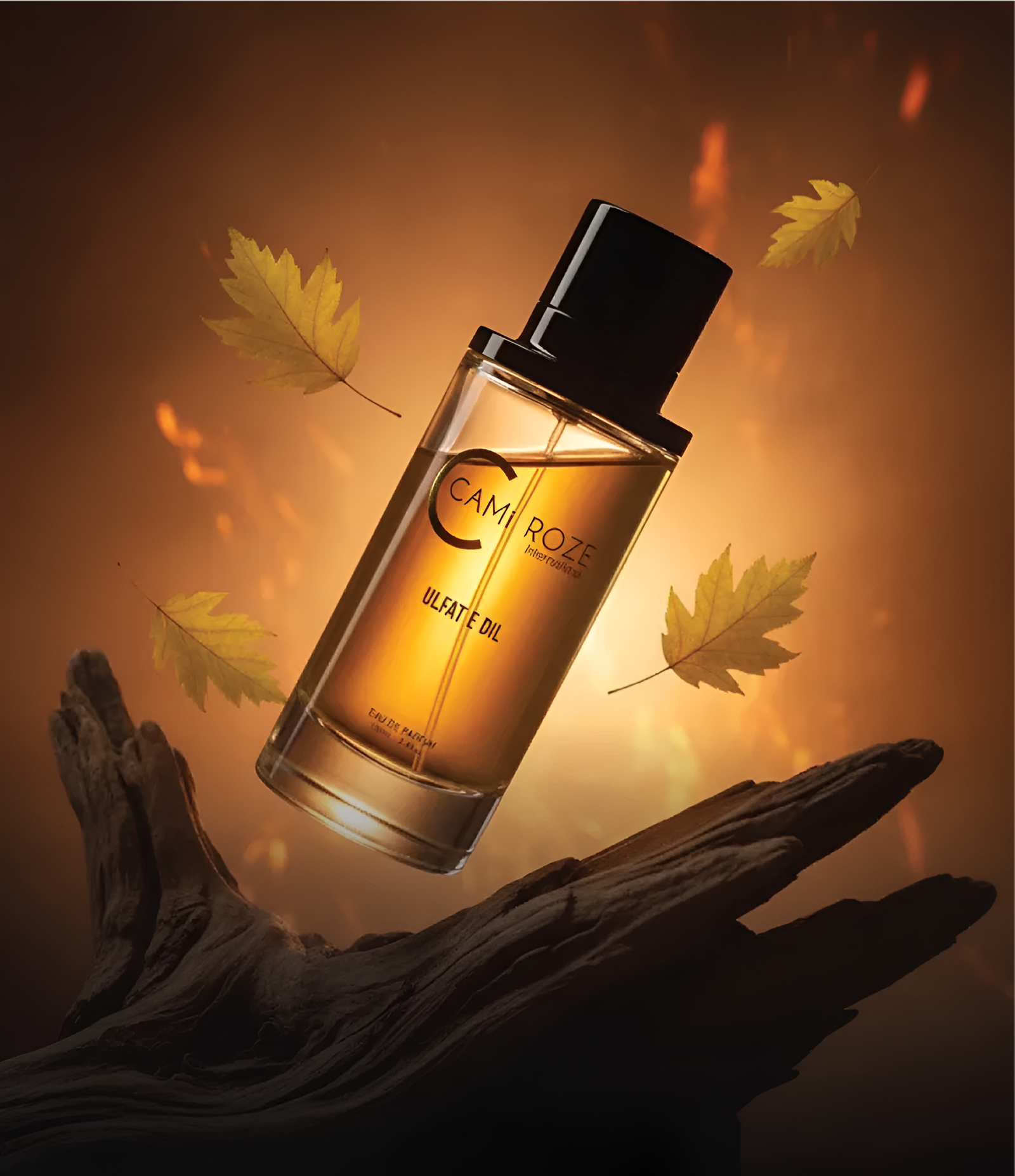
Perfume is a beautiful blend of chemistry and creativity. While every fragrance smells unique, not all of them last the same amount of time on your skin. Some fade within minutes, while others linger from morning till night. So what makes the difference? The answer lies in the science of perfume longevity.
Below is a complete, easy-to-understand breakdown of how perfumes work and why their staying power varies.
1. Perfumes Are Made of Different Layers
Every perfume is built using three layers, each with a different lifespan:
Top Notes – The First Impression
- This is what you smell right after spraying.
- Light and airy notes like lemon, mint, bergamot, or lavender.
- These evaporate quickly.
Longevity: 5–15 minutes.
Heart Notes – The True Personality
- Appears once top notes fade.
- Often includes floral, fruity, or spicy notes like rose, jasmine, or cinnamon.
Longevity: 2–4 hours.
Base Notes – The Long-Lasting Foundation
- The deepest and heaviest notes in a perfume.
- Includes ingredients like oud, musk, sandalwood, amber, and vanilla.
Longevity: 6–24 hours or more.
A perfume with strong base notes naturally lasts longer.
2. Concentration Levels Decide Longevity
Perfumes come in different concentrations, meaning the percentage of fragrance oil mixed with alcohol.
| Concentration Type | Oil Content | Staying Power |
|---|---|---|
| Eau Fraîche | 1–3% | Up to 1 hour |
| Eau de Cologne | 2–4% | 1–2 hours |
| Eau de Toilette | 5–12% | 2–4 hours |
| Eau de Parfum | 15–20% | 4–8 hours |
| Parfum / Extrait | 20–40% | 8–24 hours |
Higher concentration = longer-lasting scent.
3. Molecular Weight Matters
Perfume ingredients evaporate at different speeds depending on their molecule size:
Heavier Molecules (Long-Lasting)
- Oud
- Patchouli
- Amber
- Vanilla
- Resins (labdanum, frankincense)
These have bigger molecules that evaporate slowly, giving the perfume lasting depth.
Lighter Molecules (Quick to Fade)
- Citrus oils
- Light florals
- Green notes
These evaporate rapidly due to their smaller molecular size.
4. Your Skin Chemistry Plays a Big Role
Perfume behaves differently on each person due to skin type and pH level.
Oily Skin = Longer Longevity
Natural oils hold scent molecules better.
Dry Skin = Faster Fade
Perfume evaporates quickly on dry skin, so moisturizing helps.
Sweat & Body Heat
- Hotter skin releases scent faster.
- Cooler skin makes it last longer.
5. Weather and Environment Influence Longevity
Heat
High temperature increases evaporation, causing the fragrance to fade quickly.
Cold
Slows down evaporation, helping the fragrance stay longer but project less.
Humidity
Can boost the scent projection but reduce staying power.
6. Where You Apply Perfume Matters
Perfume lasts longer on areas with good blood circulation, known as pulse points:
- Behind ears
- Neck
- Wrists
- Collarbone
- Inner elbows
- Back of knees
These spots help activate the fragrance and make it linger.
Extra Tip:
Spraying on clothes helps the scent stay for hours or even days. Just test on a small area first.
7. Fixatives: The Hidden Heroes of Longevity
Fixatives slow down the rate at which perfume evaporates.
Common fixatives include:
- Musk
- Amber
- Benzoin
- Vetiver
- Sandalwood
- Synthetic molecules like Ambroxan or Iso E Super
These give perfumes long-lasting depth and stability.
8. How to Make Your Perfume Last Longer
Here are simple, effective tricks:
- Apply to moisturized skin.
- Use unscented lotion as a base.
- Spray on hair and clothes lightly.
- Store perfume in a cool, dark place.
- Layer with matching body cream or deo.